

When you're crafting a presentation, the visuals you choose can make or break your storytelling. You might already know that graphs can simplify complex data, but finding the right tools to create effective visuals is key. With so many options available, it's essential to know what features to look for in a graph maker. As you explore the best tools, you'll discover how strategic design choices can enhance audience engagement and retention. But are you aware of the common pitfalls that could undermine your efforts? Let's uncover that next.
Importance of Visual Storytelling
When you think about storytelling, visuals often come to mind as powerful tools that can elevate your narrative. Visual communication isn't just about pretty pictures; it's about enhancing the message you want to convey. By incorporating visuals, you can simplify complex information, making it more accessible and engaging for your audience.
Imagine presenting data-heavy content without any graphs or images. It might feel overwhelming and dull. However, when you strategically use visuals, you boost narrative engagement. Charts and infographics can highlight key points, helping your audience grasp the essence of your story instantly.
Additionally, visuals evoke emotions and create memorable experiences. A well-designed slide or graph can resonate with your audience on a deeper level, making your narrative more impactful. This connection is vital, especially in a world where attention spans are shorter than ever.
Key Features to Look For
When you're choosing a PowerPoint graph maker, you want a user-friendly interface that makes creating visuals a breeze.
Look for strong customization options that let you tailor your graphs to fit your storytelling style.
These key features will help you engage your audience and convey your message effectively.
User-Friendly Interface
Navigating a PowerPoint graph maker can be a breeze if you know what key features to look for. First and foremost, seek out a tool with intuitive navigation. You want to spend your time crafting compelling visuals, not figuring out how to use the software. A clean, organized layout makes it easy to access different functionalities without feeling overwhelmed.
Next, pay attention to user feedback. Reviews and testimonials can provide insight into how well the software performs in real-world scenarios. If users consistently mention that a particular graph maker is easy to use, chances are you'll find it user-friendly too.
Look for features like drag-and-drop functionality and pre-made templates. These elements can significantly streamline your workflow, allowing you to focus on storytelling rather than technical details.
Additionally, ensure the platform offers helpful tutorials or customer support, especially if you run into any hiccups along the way.
Customization Options Available
Customization options can make or break your experience with a PowerPoint graph maker. When choosing a tool, look for features that allow you to tailor your graphs to fit your unique storytelling style.
Custom themes are a must—they enable you to align your visuals with your brand or presentation's tone. Whether you prefer a sleek, modern look or something more vibrant and playful, being able to customize colors, fonts, and layouts is key to creating an engaging presentation.
Additionally, consider incorporating interactive elements into your graphs. These features can transform static data into dynamic experiences, allowing your audience to engage with the content in real-time. Options like clickable segments, animated transitions, and hover effects not only grab attention but also enhance understanding of complex information.
Finally, ensure the graph maker offers flexibility in data representation. You should be able to switch between various chart types easily, ensuring your data is presented in the most impactful way.
Top PowerPoint Graph Makers
When it comes to creating compelling graphs for your PowerPoint presentations, the right tools can make all the difference.
You'll find both best free options and premium software that cater to your specific needs.
Let's explore some of the top PowerPoint graph makers that can elevate your storytelling game.
Best Free Tools
Transform your presentations with the best free PowerPoint graph makers available today. These tools can elevate your storytelling by turning raw data into engaging visuals without costing you a dime.
One of the top free tools you should explore is Canva. With its user-friendly interface, you can create stunning graphs and charts in a matter of minutes.
Another fantastic option is Google Charts, which allows for real-time collaboration, making it a great online resource for teams. If you're looking for something more specialized, consider ChartGo, which focuses on simplicity and speed, helping you generate various graph types quickly.
Don't overlook Infogram, a tool that offers a plethora of templates and is perfect for creating infographics alongside graphs. It's especially useful if you want to present data visually compellingly.
Lastly, Datawrapper is a robust option for those who need interactive graphs that can be embedded in your presentations.
Utilizing these free tools can save you money while enhancing your PowerPoint slides. Explore these online resources, and see how they can transform your data presentation into a captivating storytelling experience.
Premium Software Options
Investing in premium software options for PowerPoint graph makers can significantly enhance your presentations. These tools often come packed with premium features that elevate your storytelling capability, letting you create visually stunning graphics that captivate your audience.
When you're looking for a top-notch graph maker, consider options like Visme or Canva Pro. Both offer intuitive interfaces and a wealth of templates to jumpstart your creativity.
Visme excels with its data visualization tools, allowing for easy integration of charts and infographics. Canva Pro, on the other hand, shines with its extensive library of graphics and customization options.
Before making a decision, it's wise to conduct pricing comparisons. Some platforms use subscription models, while others might offer one-time purchase options.
Check if they provide trial versions, so you can gauge which software best meets your needs without committing upfront.
Ultimately, choosing a premium graph maker can transform your PowerPoint presentations from ordinary to extraordinary, ensuring your narrative resonates with your audience.
Don't underestimate the impact of great visuals—invest in the right tools and watch your storytelling flourish!
Comparing Graph Maker Tools
In the realm of storytelling through data, choosing the right graph maker tool can significantly impact how effectively you convey your message.
With a variety of options available, it's crucial to compare the features that best suit your needs. Here are some key aspects to consider:
Graph Styles: Look for tools that offer a diverse range of graph styles, such as bar charts, line graphs, and pie charts. This variety helps you choose the most effective representation of your data.
User Interface: A user-friendly interface can save you time and frustration. Opt for tools that allow for easy navigation and quick customization of your graphs.
Data Visualization Options: Ensure the tool supports advanced data visualization techniques, such as interactive graphs or real-time data updates, to enhance your storytelling.
Tips for Effective Graph Design
Effective graph design can make a world of difference in how your audience interprets your data. To ensure clarity, start with a strong understanding of color theory. Use contrasting colors to highlight key data points, making them pop against a neutral background. This not only grabs attention but also helps convey your message more effectively. Limit your color palette to three or four colors to avoid overwhelming your viewers.
Next, pay careful attention to font selection. Choose clean, legible fonts that reflect your presentation's tone. Sans-serif fonts often work best for graphs, as they're easier to read from a distance. Make sure that your font sizes vary appropriately; larger sizes for titles and smaller sizes for labels help guide the viewer's eye through the information.
Finally, keep it simple. Avoid clutter by eliminating unnecessary elements that don't add value to your graph. Each design choice should enhance understanding, not distract.
Integrating Graphs Into Presentations
Graphs serve as powerful visual aids that can elevate your presentations to new heights. By strategically integrating graphs, you not only enhance your storytelling but also make complex data more digestible for your audience.
To ensure you maximize the impact of your graphs, consider the following tips:
Graph Placement: Position your graphs near the corresponding text or bullet points. This helps to create a visual connection, allowing your audience to easily grasp the data's significance.
Data Relevance: Focus on including graphs that directly relate to your key messages. Avoid cluttering your slides with unnecessary visuals that might distract from your main points.
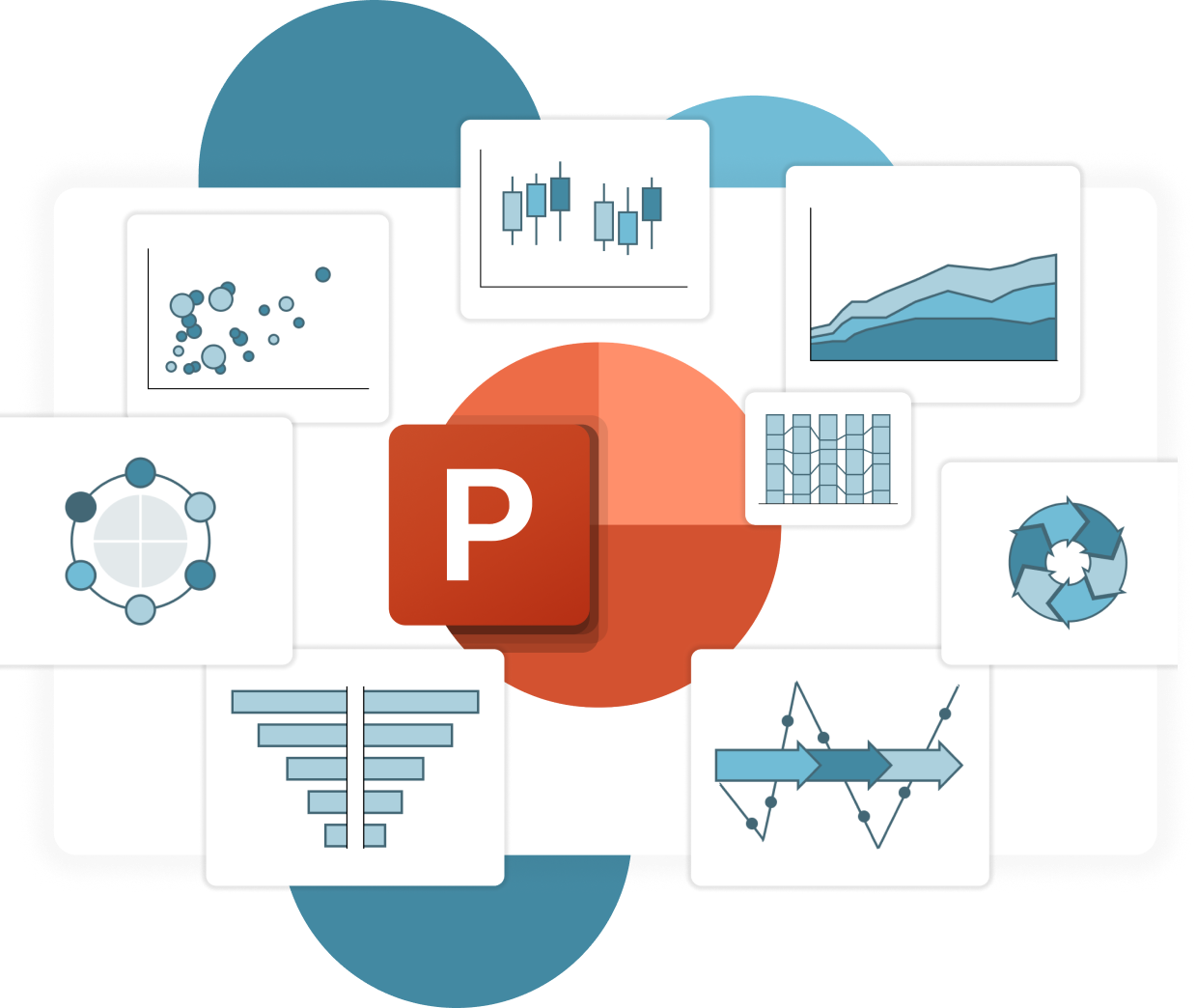
Consistent Style: Use a uniform style for all your graphs to maintain a cohesive look throughout your presentation. This makes it easier for viewers to follow along.
Case Studies and Success Stories
When you incorporate real-world case studies and success stories into your presentations, you're not just sharing data; you're weaving a narrative that resonates with your audience.
These stories breathe life into your graphs, transforming abstract numbers into relatable experiences. By showcasing real-world applications, you illustrate how theories or strategies play out in practice, making your message more tangible and compelling.
Consider how a success story about a company that effectively increased its market share can anchor your data. Instead of merely presenting percentage increases, you can tell how a specific initiative led to that growth. This approach not only engages your audience but also builds credibility for your message.
As you select case studies, focus on those that align with the key points you want to emphasize. Highlight challenges faced, solutions implemented, and measurable outcomes achieved.
These impactful narratives will create a connection with your audience, enabling them to envision the possibilities in their own contexts. Remember, effective storytelling is about clarity and purpose; choose stories that enhance your message and inspire action.
Future Trends in Graph Making
As technology evolves, the future of graph making is poised to become even more dynamic and interactive. You can expect AI advancements to revolutionize how you create and customize graphs. These innovations won't only enhance data visualization but also streamline your workflow with automation features.
Here are some trends to watch out for:
Interactive graphs: You'll be able to engage your audience in new ways, allowing them to explore data directly within your presentations.
Mobile compatibility: As more people use mobile devices, graph makers will prioritize designs that look great on any screen.
Cloud integration: Collaborating with your team will become easier, as cloud-based platforms allow for real-time edits and feedback from users.
Emerging technologies will also play a significant role in shaping graph-making tools. By harnessing user feedback, developers can refine these platforms to better meet your needs.
As these trends unfold, it's essential for you to stay updated, ensuring your storytelling remains impactful and visually appealing. Embracing these advancements will undoubtedly enhance your presentations, making data more accessible and engaging for your audience.
Conclusion
By harnessing the power of effective graph makers, you can elevate your storytelling and make your presentations truly memorable. Remember, visuals aren't just pretty—they simplify complex data and enhance audience engagement. As you explore different tools and design strategies, keep your audience in mind. With the right graphs, you'll not only convey information clearly but also create impactful narratives that resonate. So dive in, Free PowerPoint Add-In , and watch your presentations come to life!